Our Work
The Florida Legislature established the South Florida Water Management District to manage and protect water resources in our region. The District's work fits broadly into five categories.
Flood control has been part of the District's mission since it was created by the Legislature as the Central and Southern Florida Flood Control District in 1949. The South Florida Water Management District operates one of the largest regional water management systems in the world. With more than 2,300 miles of canals, 2,200 miles of levees/berms, 98 pump stations, 28 miles of dams, more than 936 water control structures, 620 project culverts, and around 3,537 hydrological monitoring stations at more than 687 flow sites, including 201 rain gauges and 22 weather stations, the District actively operates and maintains the water management system to protect regional water supplies and provide flood control for more than 9 million people – plus the environment, agriculture, businesses and visitors – in South Florida. On average, the flood control system moves more than 20 million acre-feet of water each year. Weather extremes, ranging from droughts to hurricanes, can dramatically affect South Florida's water supply and flood protection actions.
Water supply planning is essential to meet the growing demand on limited water resources of 9 million residents, millions of visitors, businesses and the environment. The District is addressing future needs by developing five distinct regional water supply plans and promoting water conservation and the use of alternative water supplies.
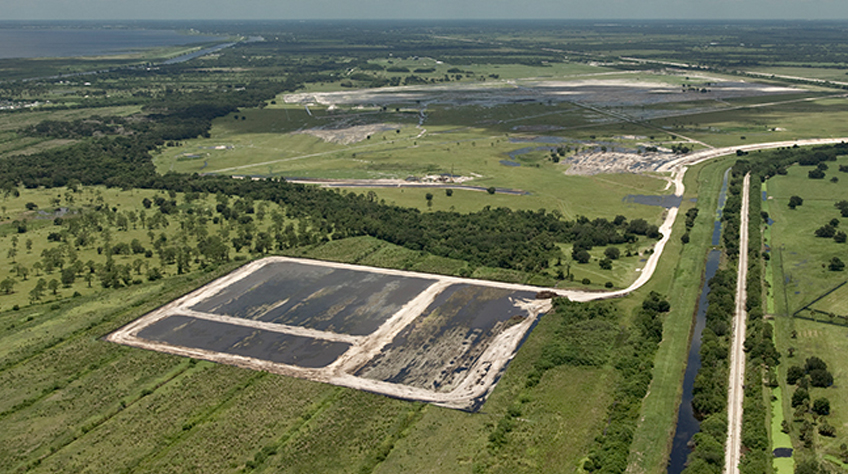
Water quality improvement efforts are removing excess nutrients that have altered South Florida's ecosystems. Vast constructed wetlands known as Stormwater Treatment Areas, combined with agricultural and urban Best Management Practices, have dramatically reduced phosphorus levels in the Everglades over the last two decades.
Numerous ecosystem restoration projects are being planned, built and operated to protect and preserve South Florida's unique ecosystems, including the Everglades, the Kissimmee River, Lake Okeechobee and a diverse array of coastal watersheds. The most prominent of these efforts is the Comprehensive Everglades Restoration Plan, a 50-50 partnership between the State of Florida and the federal government to restore, protect and preserve the greater Everglades ecosystem.
Finally, the District’s resiliency efforts focus on advancing scientific data and research needs to ensure the District’s planning and adaptation strategies are founded on the best available science, robust technical analysis and risk informed decision making. In addition, the resiliency program is developing and implementing comprehensive District-wide resiliency goals to mitigate and adapt to the challenges facing the District’s infrastructure and core functions from sea level rise, extreme rainfall and other changing hydrologic and climate conditions, as summarized in the SFWMD Sea Level Rise and Flood Resiliency Plan. The District is also making significant infrastructure adaptation investments that are needed to successfully implement its mission of safeguarding and restoring South Florida’s water resources and ecosystems, protecting communities from flooding, and ensuring an adequate water supply for all South Florida’s needs. Working to ensure the region’s water resources and ecosystems resiliency, now and in the future, is part of everything the District does.