
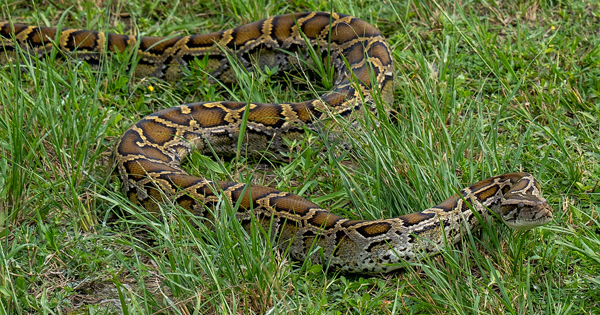
In recognition of National Invasive Species Awareness Week, the South Florida Water Management District (District) is highlighting our continued efforts to combat invasive species and protect South Florida's native ecosystems.
DID YOU KNOW: The District’s staff works year-round to prevent, control and manage invasive species on public lands throughout the agency’s 16-county region.
COMBATING INVASIVE SPECIES: More than 200 invasive plant and animal species are a priority for control in South Florida, more than any other area in the continental United States.
PROTECTING NATURAL ECOSYSTEMS: Burmese pythons, Melaleuca, Brazilian pepper trees, and other harmful invasive species can damage critical habitat, harm native wildlife and alter the ecology of our natural systems. Effective control of these invasive species is an important part of the District’s mission and our continued ability to successfully restore and protect the region’s natural resources.
EFFECTIVE CONTROL EFFORTS: The District uses a variety of methods to manage public lands:
- Prescribed Burns: Support the native ecology and reduce the risk of uncontrolled wildfires.
- Natural Resources Monitoring: Invasive plant mapping, wildlife surveys and ecosystem assessments.
- Invasive Plant Control: Stopping the spread of harmful invasive plants is important when it comes to protecting our native wildlife and plant species. Integrated Pest Management, a scientifically-based approach, is used to help control invasive plants.
REMOVING INVASIVE PYTHONS: Invasive pythons are one of the most destructive species in America’s Everglades. These invasive snakes threaten our native ecosystem by preying upon the wildlife that lives there, including wading birds, mammals, and other reptiles. Their aggressive predation on native wildlife robs panthers, raptors, bobcats, and other native predators of their primary food sources.
The State of Florida has taken unprecedented action to protect the Everglades and eliminate invasive pythons from across the landscape. Over 19,000 pythons have been removed since the Florida Fish and Wildlife Conservation Commission and the District teamed up to combat this invasive species.
CONTROLLING INVASIVE PLANTS: Invasive plants are also harmful to our natural ecosystems, resulting in loss of habitat, alteration of hydrology, changes in natural fire conditions and degradation of public use areas. Melaleuca and Brazilian pepper, as well as floating and submerged aquatic vegetation, can impact our restoration goals if they are not managed properly.
Invasive plants such as hydrilla, water lettuce and hyacinth can impede the District’s ability to provide flood protection by clogging waterways and damaging infrastructure.
LEARN MORE: We encourage you to visit SFWMD.gov/Vegetation to learn more about the importance of removing invasive species from South Florida’s landscape.
To learn more about National Invasive Species Awareness Week, click here.