DYK: Plan an Adventure on SFWMD’s Public Lands

The end of Daylight-Saving Time brings shorter days, longer nights, and the opportunity to enjoy the dark sky over Central and Southern Florida.

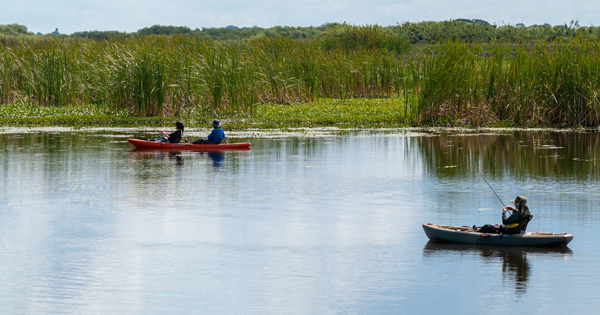
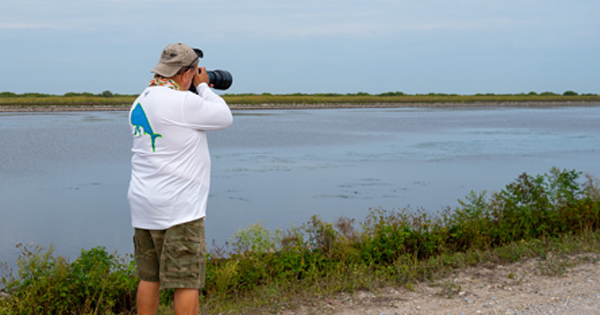
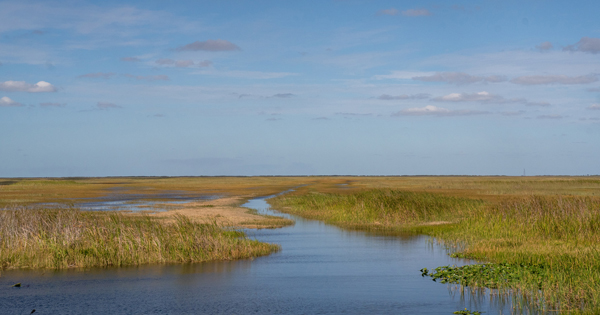
Did you know the SFWMD has taken great strides to enhance and expand the recreational activities that are available on SFWMD lands from Orlando to the Florida Keys? 

From camping to stargazing to hiking and more, you will find plenty of ways to enjoy the cooler temperatures and the starry night sky. Activities include:

DYK: Combating Melaleuca Trees Helps Advance Everglades Restoration

Did you know that the South Florida Water Management District (SFWMD) has one of the nation's largest invasive plant management programs? 

SFWMD battles many species of non-native, invasive plants including Brazilian pepper, and floating and submerged aquatic vegetation such as hydrilla and water hyacinth. The SFWMD has initiated several major restoration projects via removal of invasive plants including the Picayune Strand Restoration Project and the Sam Jones - Abiaki Prairie Mitigation Project. 

DYK: SFWMD’s New Brochure Map Highlights Water Management Infrastructure in Central & Southern Florida

Did you know the South Florida Water Management District (SFWMD) makes it easy to access key information about water management infrastructure in Central and Southern Florida?

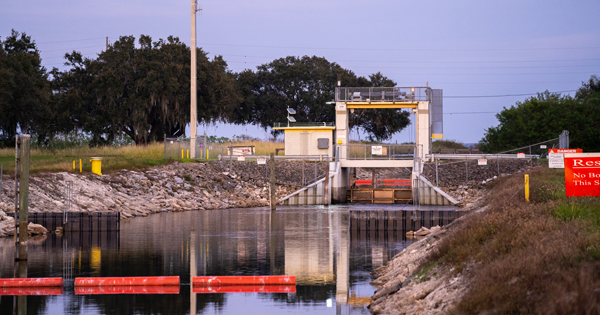
The SFWMD’s new Water Management Infrastructure Brochure features a detailed map of the regional water management system, along with key information about recreational opportunities and navigational locks throughout the SFWMD's 16-county region.

DYK: Stormwater Treatment Areas Work to Restore Water Quality in the Everglades

Did you know there are 62,000 acres of Stormwater Treatment Areas (STAs) south of Lake Okeechobee to help improve and restore water quality for the Everglades? 

These large, constructed wetlands work to significantly reduce concentrations of phosphorus in water before it reaches the Central Everglades (also known as the Water Conservation Areas). If not removed, excess concentrations of phosphorus and other nutrients can cause undesirable plants to grow in the Everglades, crowding out native wetland plants and degrading the ecosystem.

DYK: Weekly King Tide Forecasts Will Help You Stay Informed This Season

The 2023 King Tide season is here, and the South Florida Water Management District (SFWMD) is making it easy for the public to find information about forecasted tidal conditions along South Florida’s coast.

Did you know you can sign up to receive weekly King Tide Forecasts straight to your inbox? Signing up is easy. Just visit our email signup page, enter your email address and check the “King Tide Forecast” option.

DYK: 2023 Florida Python Challenge® a Huge S-S-S-Success

More than 1,000 participants joined the effort to remove invasive Burmese pythons from the Everglades ecosystem during the 2023 Florida Python Challenge®, eliminating more than 200 destructive snakes from public lands in South Florida.

Did you know invasive pythons threaten our precious native ecosystem by preying upon the wildlife that lives there, including wading birds, mammals, and other reptiles? Every python that is removed and eliminated is making a difference to protect the Everglades and South Florida’s diverse and native wildlife.

DYK: Learn About Business Opportunities with the SFWMD


Did you know the South Florida Water Management District (SFWMD) taps into the expertise and versatility offered by private businesses and the entrepreneurial community to support our programs, projects and operations? The SFWMD purchases a variety of products and services to help us carry out our mission to safeguard and restore South Florida’s water resources and ecosystems, protect communities from flooding, and meet the region’s water needs.

DYK: SFWMD is Working to Enhance the Resiliency of South Florida's Water Resources and Ecosystems


The South Florida Water Management District (SFWMD) is strongly committed to ensuring the resiliency of South Florida’s water resources and ecosystems now and for future generations.  Our team of scientists, engineers, and many other staff are working to address the impacts of sea level rise, rainfall and flood patterns, and other changing conditions on our natural resources and water management infrastructure.